Ovechkin's ice time is the real number in his final season
Goal No. 930 finally came, but Washington is playing its captain 14:16 a night, and that math decides how fast he reaches Gretzky's combined 1,016.
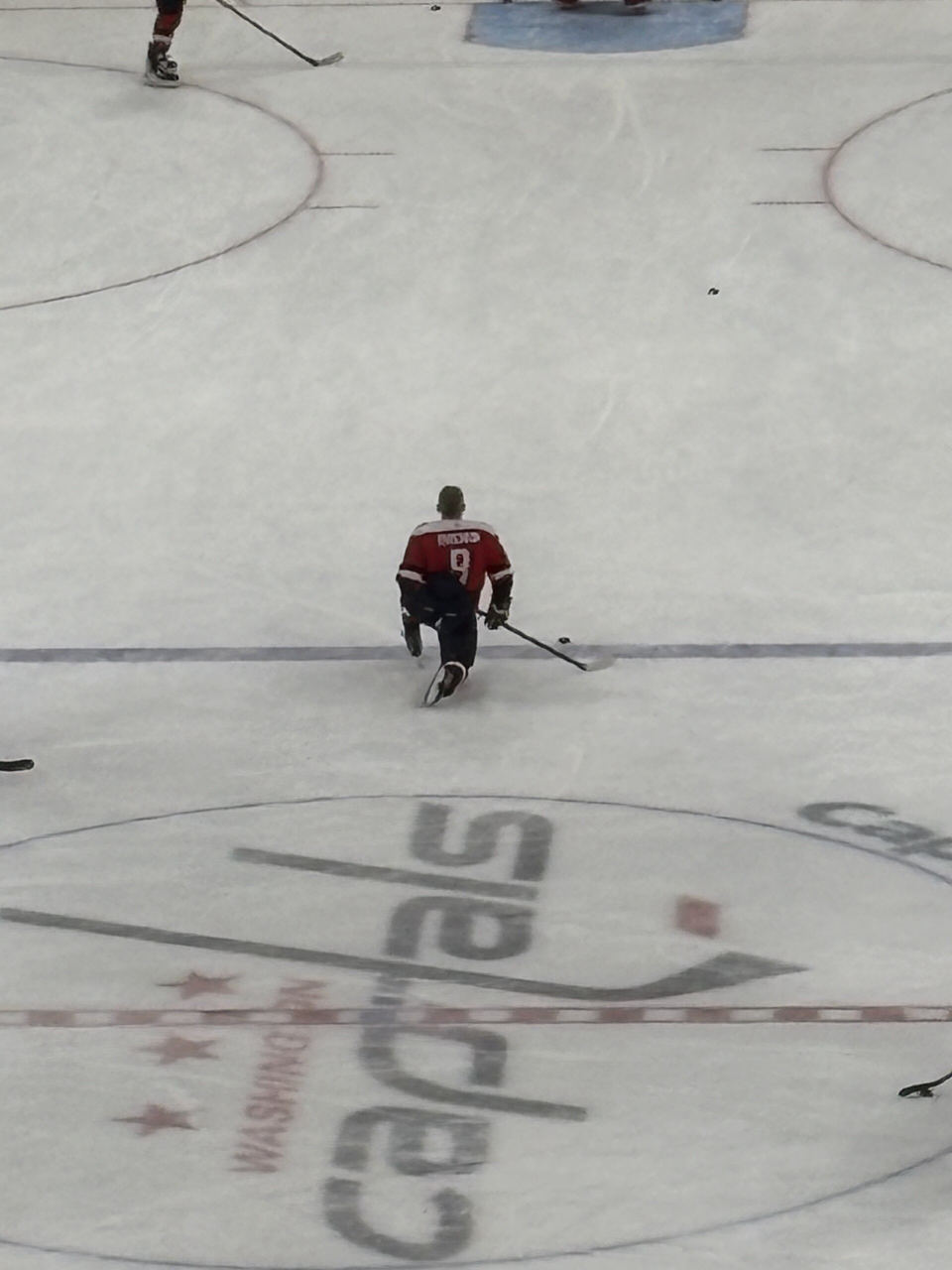
Alex Ovechkin's first goal of his final season was a nice moment. The more useful number is the one underneath it: Washington is playing him less than in any of the last three seasons, and that will decide how far the last chase goes.
The number: 14:16. That's Ovechkin's average ice time through five games, per NHL data. Last season he averaged 17:27. In 2023-24 it was 19:13. It's a small sample, but the direction is unmistakable and the slope is steep.
What the minutes are doing to the shots
The decline shows up first in the shot column, where Ovechkin has eight shots in five games, by our count, or 1.6 a game. Last season he averaged 2.98, and the season before that, when he scored 44, he averaged 3.65.
His power-play time has fallen too, to 3:21 a game from 4:29 last season. For a shooter whose office is the left circle on the man advantage, that's the costly part. Fewer power-play minutes means fewer one-timers, and fewer one-timers means fewer goals; there's no hidden variable in that equation.
The one encouraging development came Sunday: with the Protas brothers on his line against Seattle, he played 16:54, his most of the season.
He also scored, on a snap shot over Joey Daccord's glove after a feed from Ilya Protas, with Aliaksei Protas on the other assist. That was regular-season goal No. 930, the league record he already owns. Daccord became the 190th different goalie he has scored on, also a record.
The chase, in plain math
With 77 playoff goals, Ovechkin has 1,007 NHL goals in total. Wayne Gretzky's combined mark is 1,016. The difference is nine goals.
Here's the projection, and it's mine, not a promise. At last season's rate of 32 goals in 82 games, nine goals takes about 23 games, by our count. At this season's rate of one goal in five games, it takes 45.
The difference between those two paths is mostly ice time, because a shooter at 14 minutes and 1.6 shots a night doesn't score at last season's pace for long.
It's also fair to note he didn't score until his fifth game last season either, and he finished with 32. Five games is a sample, not a verdict, and I'd want ten before calling the usage a genuine trend.
Spencer Carbery kept it simple on Sunday. "Anytime he gets on the board is a good thing," he said.
Why Washington is doing it
The Capitals are 3-2-0 after a 5-3 loss to Seattle. They have more forwards who need minutes than they used to, and a 41-year-old in his last season doesn't need 19 a night in October to be useful in April. Managing his workload early is a defensible organizational decision.
But there's a cost, because a farewell season is also a box-office season, and every arena on the schedule wants to see the shot. The Capitals have to decide whether this year is about the standings or about the record, or whether they can have both.
What I'd watch: whether Ovechkin stays with the Protas brothers and near 17 minutes. If he does, the shot rate climbs back toward three a game and Gretzky's combined total comes into view before the new year. If he slides back to 14, the chase runs into spring.