The Women's Room: The PWHL doubled in two summers. Now pay the players
Twelve teams, 1.1 million fans and new national TV deals say year four is a major league. Last season's $37,131.50 minimum salary says otherwise.
The PWHL went from six teams to 12 in two summers, and I think it got the big call right. The demand was real, the buildings were ready, and waiting would have been the timid move.
But year four is where the league's one unfixed problem gets loud. Everything in this business grew by double digits except the paychecks.
So here's the state of the league, one room at a time: the crowd, the ice, the money, the owner and the TV. Four of those are in good shape, and one isn't.
The crowd: the argument is over
Growth line: 1,116,497 fans across 120 games last season. That's an average of 9,304, up 28 percent in a year and up 71 percent from the first season.
The cynical read is that Seattle and Vancouver juiced it. They did help: Seattle averaged 12,875 and Vancouver 11,235, the two best gates in the league in their first year. But take both out, and the original six markets still averaged 7,736, an 18 percent increase.
That's the number I trust. A new team's crowd can be a novelty, but an 18 percent jump in year three, for teams people already had, is a habit.
Every team averaged at least 5,000, and four averaged more than 8,000. The Takeover Tour, the league's neutral-site road show, drew 12,481 a night over 16 games.
It put 16,012 in Hamilton and 9,624 in Detroit on the same January day, and both cities have teams now. The tour was never a gimmick. It was an expansion feasibility study with a box office attached.
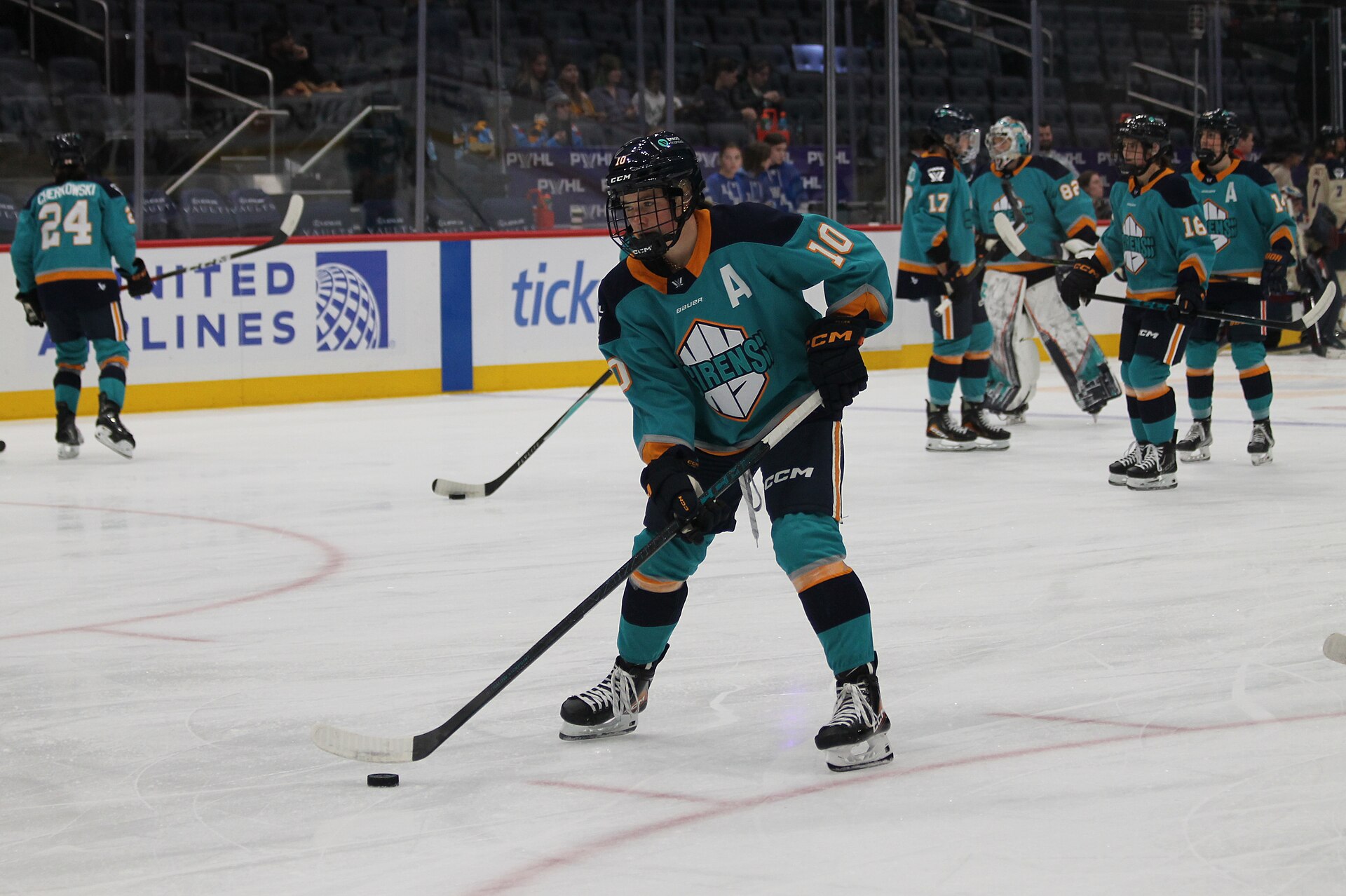
The soft spot is New York, last at 5,095 even after an 84 percent jump. The Sirens are the one original team still looking for a crowd. With four new clubs pulling attention, that gets harder, not easier.
The ice: thinner, for a year
Here's the part the league would rather skip. Twelve teams at 23 players is 276 jobs, up from 184 a year ago. No league adds half again as many roster spots in one summer and keeps the same third line.
The league knew it, and the expansion rules were built to spread the pain. Existing teams could protect three players at first, then six, and could lose no more than four. Each new team had 10 players before the draft.
"Our priorities were clear," Jayna Hefford said, "to give players a meaningful voice throughout the process while maintaining competitive balance."
It worked about as well as it could, because the expansion teams aren't starting from scraps. Hamilton has Brianne Jenner. Detroit has Hilary Knight, who signed a one-year deal with Las Vegas and got flipped for the third overall pick a week later.
Las Vegas turned that pick into Tessa Janecke, and San Jose took Laila Edwards fourth.
And the draft class was the best this league has had. Caroline Harvey went first to Vancouver, and she's a finished product who happens to be a rookie. Abbey Murphy went second to Seattle. Seventy-two players were picked, and plenty of them will play real minutes in December because somebody has to.
So yes, the bottom of every lineup gets thinner. Expect some ugly third periods and a few goalies who see 40 shots on a Tuesday. I can live with that for a season. The other choice was leaving good players in Sweden or behind a desk, which is what this sport did for decades.
My call: one of the four new teams makes the playoffs, and it's Hamilton. Jenner knows how to drag a room into April, and that building has already shown up once.
The champions are the measuring stick. Montréal won its first Walter Cup in May, beating Ottawa in four games, the first title for a Canadian team after Minnesota took the first two. Marie-Philip Poulin was the playoff MVP, because of course she was. The Victoire raise the banner Dec. 5 against Hamilton.
The money: the room nobody finished
Now the part that isn't fine.
In May the players' association published every salary in the league for the first time. The minimum last season was $37,131.50 and the median was $49,000. Ten players made six figures, topped by Emily Clark at $126,090. Of 194 players, 128 made less than $60,000.
The collective agreement behind those numbers runs until July 2031, raises pay 3 percent a year and includes no revenue sharing. The target average for this season is about $60,100.
Put that next to the rest of the ledger. Attendance is up 28 percent, sponsorship is up 35 percent, and online merchandise sales are up more than 50 percent. There are four new teams, three of them in NHL rinks, and new national TV deals in both countries. And the people on the ice get 3 percent.
I understand how it happened. The agreement was signed in 2023, before a single game, when nobody knew if this would last a winter. The players who spent the PWHPA years barnstorming without a league took stability, and they were right to. A guaranteed league beat a better split of nothing.
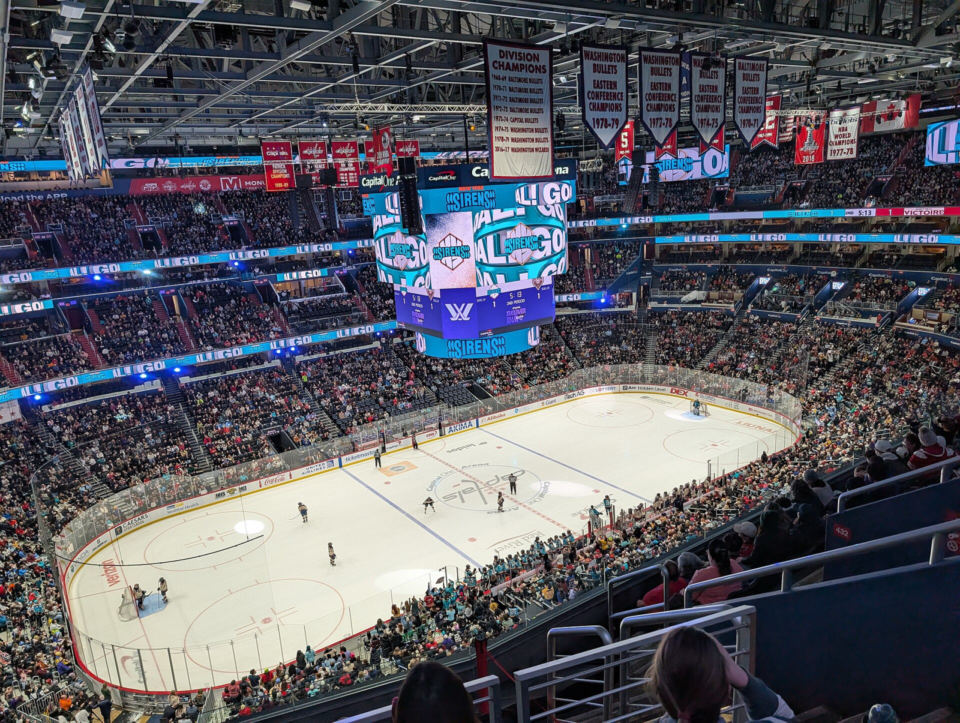
But that was a deal for a startup, and this isn't one anymore. A league that puts 17,335 in Climate Pledge Arena can't keep paying two-thirds of its players less than it offers a social media manager. That comparison isn't a slogan. It comes from the league's own job postings.
My call: the pay scale gets reopened well before 2031. It won't take a fight, because the league needs it as much as the players do. The next wave of Harveys and Murphys will have options, and 12 teams can't be stocked on goodwill.
The owner: one name on the door
I wrote last week that the real risk is one owner, and nothing has changed my mind. Mark Walter's money built this league. His other businesses are under federal investigation, which is an investigation and not a finding, and the league says it expects no change in ownership.
The better news came in June. Kilmer Sports Ventures and Ilitch Companies became the first outside investors the league has ever had. The terms weren't disclosed, and the Walters still oversee operations and strategy.
But Larry Tanenbaum and Chris Ilitch don't buy into things to be decorations. That's the first step toward a league with more than one set of shoulders under it.
The TV: finally, an appointment
For three years the PWHL in the U.S. lived on YouTube and a patchwork of regional channels. This season Scripps puts a Saturday Game of the Week on ION, two more national games a week on its streaming channel, and the playoffs and Walter Cup Finals on ION. It's the league's first season-long national package in the States.
In Canada, Hockey Night in Canada has the PWHL for eight Saturday nights. Add the first All-Star event in Toronto on March 7, and the league has something it never had: dates a casual fan can circle.
That matters more than any single rating, because habits are built on knowing where the game is.
What I'm watching
The full schedule on Oct. 2. Teams played 30 games last year. If that number doesn't go up with 12 teams, the league is leaving gates on the table, and if it jumps too far, the thin rosters pay for it.
New York. Another year at the bottom of the attendance table would make the Sirens the league's first real market problem.
The calendar. The Worlds run Nov. 6-16 in Denmark, camps open Nov. 18, and the puck drops Dec. 5. Last season started Nov. 21. That's a late start for a league with this much to sell, and it's the price of a November Worlds.
And Amy Scheer's line from last fall about the league's short expansion runway: "We've proven that time is overrated." She was right about the markets. Now apply the same urgency to the pay stubs.
The W read: Year four is a major league everywhere but the payroll. Going to 12 teams was the easy decision. Paying 276 players like it's a major league is the one that decides what this looks like in year eight.
The Ferda newsletter