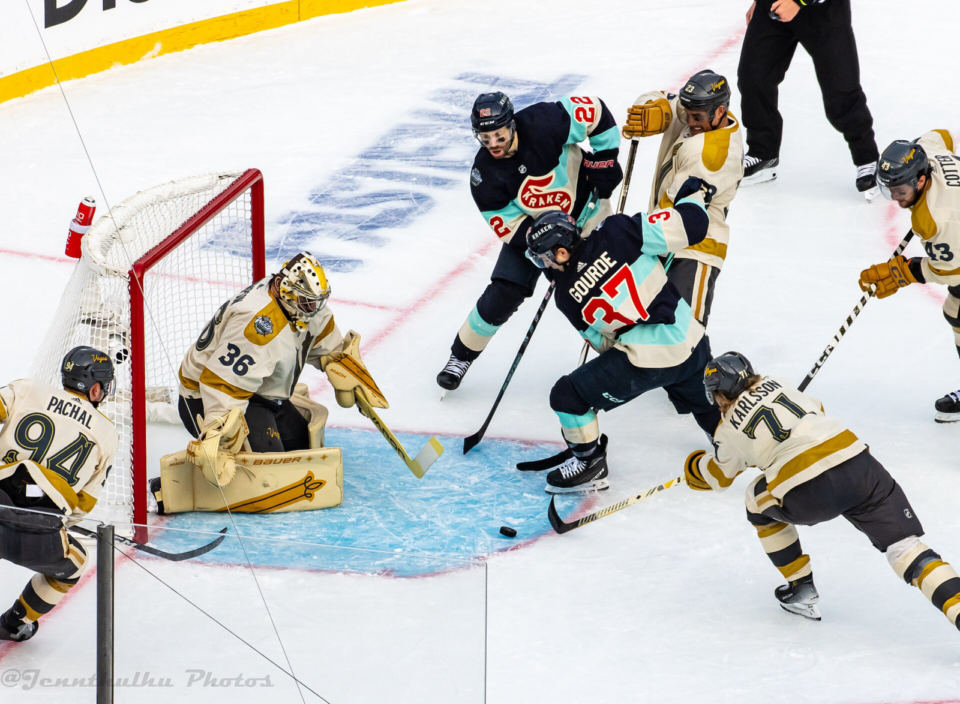
Anaheim paid Luneau for a projection, Buffalo paid Crevier for a receipt
Two young defensemen signed on the same day: six years at $7.2 million after 14 NHL games, and four at $4 million after 78.
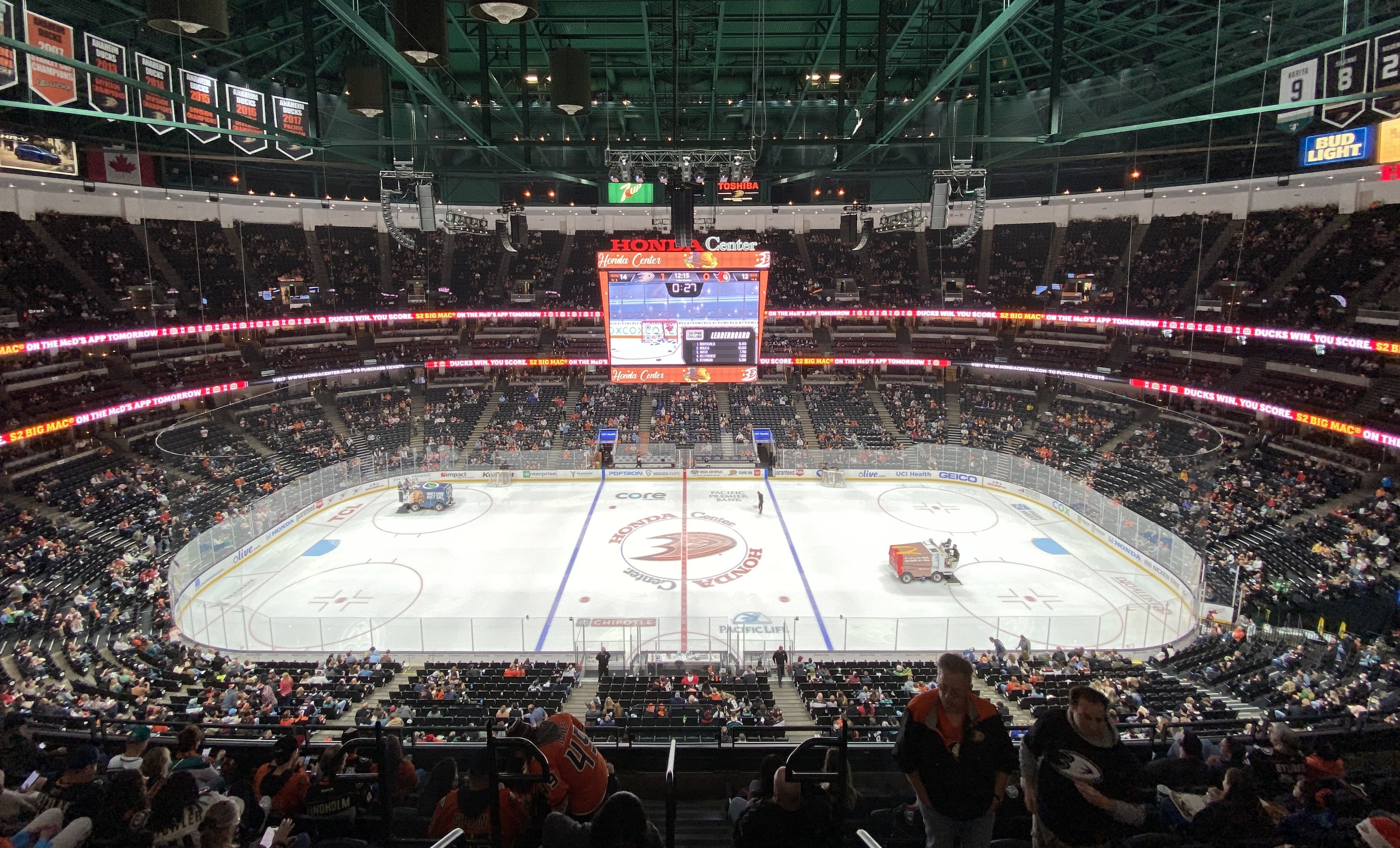
Anaheim and Buffalo both extended a young defenseman on Thursday, and only one of those organizations paid for production that has already happened.
The Ducks gave Tristan Luneau six years at $7.2 million a season after 14 NHL games. The Sabres gave Louis Crevier four years at $4 million after a full 78-game season of real minutes. Same position, same day, roughly the same signing window. They are very different bets on very different kinds of evidence.
The number: 6.3%. That's Luneau's share of the $113.5 million ceiling already set for 2027-28, the year his deal kicks in. It's second-pair money for a player who has never held down a second-pair job in the NHL, and that is the whole argument in one line.
Anaheim is buying the discount early
Here's the case for the Ducks, and it's a real one that deserves a fair hearing. Luneau is 22 with one year left on his entry-level deal. His last full season was in San Diego, where he put up 10 goals and 41 points in 70 AHL games. He was the QMJHL's top defenseman in 2023 and made the AHL's All-Rookie team a year later. If he develops into the player those numbers suggest, $7.2 million inside a rising ceiling looks inexpensive by year three.
Pat Verbeek said it plainly. "Signing Tristan to a long-term contract was a priority as we see him as a top-four defenseman for years to come," the GM said.
The extension window is the discount window. Wait a year, let him accumulate 70 NHL games and some production, and the negotiating number climbs immediately. That's the logic, and on the logic alone I agree with Anaheim completely.
My problem is the price Anaheim attached to that logic. Anaheim already paid Jackson LaCombe eight years at $9 million when he had a year left on his rookie deal. LaCombe had 148 NHL games and 60 points behind him when he signed. Luneau has 14 games and four points. The gap between those two résumés is a lot bigger than the $1.8 million gap between the two cap hits.
Contract card: Tristan Luneau, Ducks
- Term: 6 years, 2027-28 through 2032-33
- AAV: $7.2 million · Total: $43.2 million
- Structure: $3 million signing bonus in year one; 10-team no-trade list in the last two seasons
- Cap hit: about 6.3% of the 2027-28 ceiling
- Comparables: Jackson LaCombe, ANA, 8 × $9.0M (signed with a year left on his ELC, 148 games in); Louis Crevier, BUF, 4 × $4.0M (signed the same day, a full season of NHL minutes behind him)
- Verdict: The term is smart. The AAV is about a year early.
Buffalo paid for the tape
Crevier is the opposite file. He's 25, he's 6-foot-8, and he was a seventh-round pick, 188th overall in 2020. He played 78 games for Chicago last season, averaged 17:08 a night and put up 25 points. That's a third-pair defenseman who played second-pair minutes on a rebuilding team, and Buffalo understands exactly what it's purchasing.
He came over in the June deal that sent Bowen Byram to Chicago. He's making $900,000 this season, and the raise starts in 2027-28. Lindy Ruff liked what he saw in camp. "He's moved the puck well, skated well," the coach said.
Contract card: Louis Crevier, Sabres
- Term: 4 years, 2027-28 through 2030-31
- AAV: $4.0 million · Total: $16 million
- Current deal: $900,000 in the final year
- Cap hit: about 3.5% of the 2027-28 ceiling
- Comparables: Tristan Luneau, ANA, 6 × $7.2M (same day, younger, less proven); Jackson LaCombe, ANA, 8 × $9.0M (the top of the young-defenseman market)
- Verdict: Fair. Buffalo bought four prime-age seasons at a third-pair price that will look smaller every year the ceiling climbs.
The difference is who carries the risk
Both deals are written against a ceiling that keeps rising, so both become relatively less expensive every season. The difference is who carries the risk if the player stalls.
If Crevier stays exactly who he is, Buffalo overpaid by a little for a big, mobile third-pair guy on four years of term. That's a small, survivable miss on a contract with no long tail.
If Luneau stalls, Anaheim has a $7.2 million third-pair defenseman with a no-trade list attached in the last two years. That's the deal a Cap Check flags in 2029.
The Ducks are betting Luneau's development curve outpaces the ceiling's growth. It might, because a defenseman who drives offense in the AHL at 21 has a real chance to grow into a top-four role. But this is a projection, not a résumé, and the organization's cap sheet should treat it accordingly.
What I'd watch: Luneau's minutes in October. If he's playing 19 or 20 a night on the second pair by Christmas, this deal ages well fast. If he's on the third pair at 15 minutes, Anaheim paid for 2029 with 2026 money.
The Ferda newsletter