NCAA women’s opening weekend needs more than a scoreboard
The season started on the 18th, but tonight and the weekend bring the first real test of lineup choices and team depth.

The best thing about NCAA women’s hockey getting underway isn’t the return of rankings arguments. It’s the return of actual shifts that can wreck them. The season technically began on the 18th; with games tonight and plenty more over the weekend, I’m watching who looks connected before I worry about who looks polished.
Early scores count. Early certainty is usually selling something. Here are six things worth tracking as the college schedule gets moving—and what I’d take seriously before the first weekend turns into a referendum on everybody’s season.
1. Judge the favorite by its exits, not its entrance
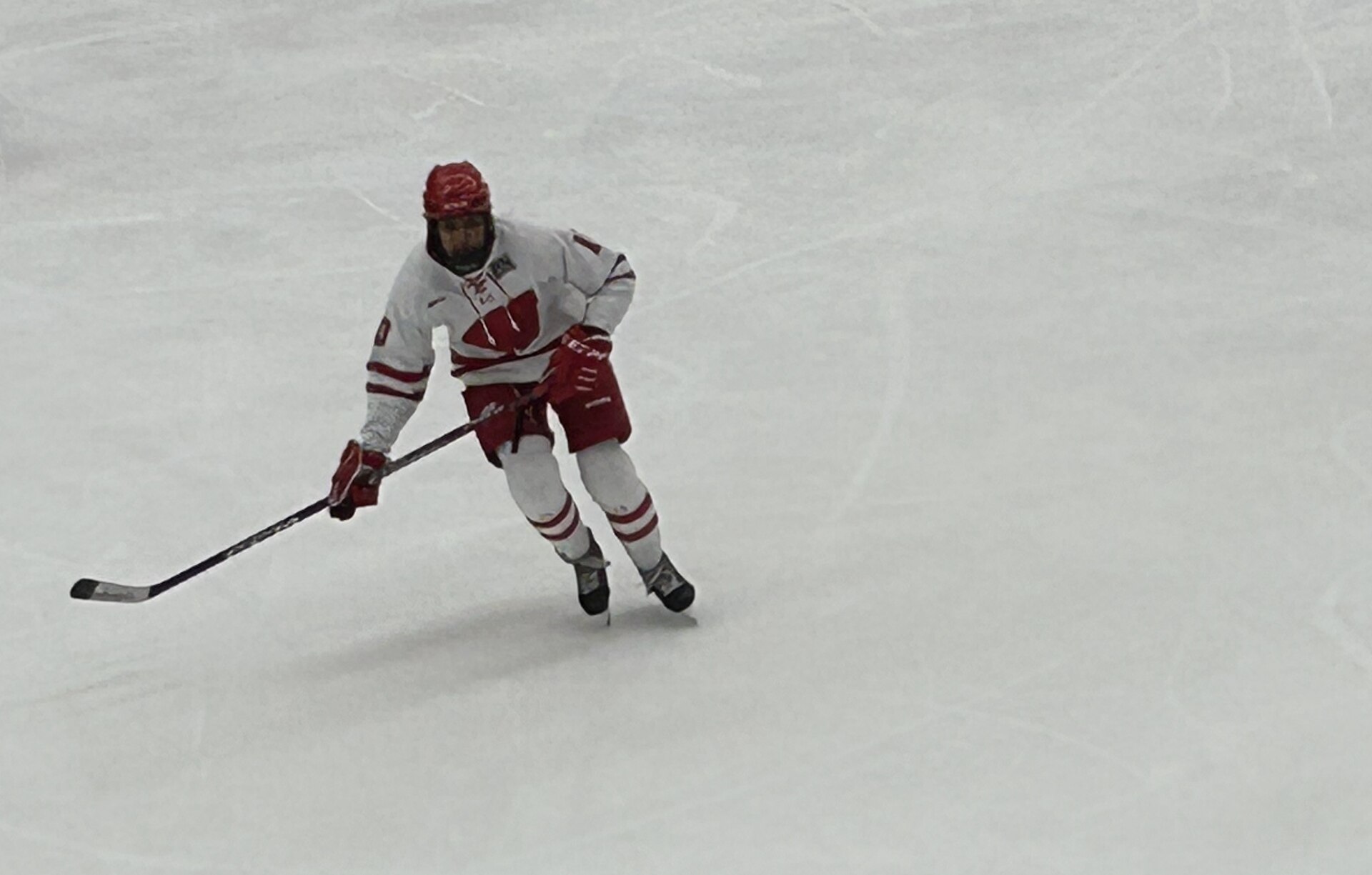
Opening weekend invites big conclusions about the established powers: Wisconsin, Ohio State, Minnesota and the rest of the familiar company. My first test is less glamorous than goal totals. Can a team move the puck out against pressure without asking its best forward to retrieve it below the hash marks every shift?
Watch the weak-side winger when a defender gets possession. A usable outlet there can turn a hard forecheck into open ice; a forward leaving early can turn the same play into another exhausting defensive shift. That distinction matters more than a pretty rush against a team caught changing.
I’d rather see a favorite build clean possessions than pile up chances from individual rescue missions. Talent can win an opening game that way, but it’s a poor habit to carry into a tighter matchup. The scoreboard won’t always tell you which version you watched.
The W read: Give me repeatable exits over an opening-night statement score.
2. New combinations need a job, not just a chance
Coaches have room to try combinations now, but “finding chemistry” shouldn’t mean three good players taking turns carrying the puck. Every line needs someone to make the first touch useful, someone to support it and someone to threaten the space behind the defense.
That doesn’t require fixed labels. It requires players reading each other quickly enough that a recovered puck becomes an attack rather than a meeting along the boards. Watch the second forward into a puck battle: arriving nearby isn’t the same as arriving where a pass can reach her.
The temptation after a quiet period is to shuffle everything. I’d keep a line together if it’s recovering pucks and creating inside chances, even without a goal. Break it up when the same spacing problem keeps killing possessions, not because the shooting percentage hasn’t introduced itself yet.
The W read: Keep productive combinations together; don’t confuse a scoreless shift with a useless one.
3. The power play should earn its patience
A power play can look tidy while accomplishing almost nothing. Five players passing around the outside might make for a comfortable possession chart, but the penalty killers will happily accept an evening without having to turn their heads.
My opening-weekend test is whether the puck and the threat move together. A pass across the top should change a shooting lane or open a touch inside. If everyone resets to the same spots afterward, the defense gets to reset too, and the advantage becomes mostly theoretical.
I’m especially interested in the player below the goal line and the forward working inside the dots. Those options can force a penalty kill to defend more than the point shot. I’d accept an imperfect attempt to attack that space before praising another flawless lap around the perimeter.
The W read: Dangerous beats decorative, even when the early execution gets messy.
4. Give the goalies credit without giving the defense a pass
An opening-weekend shutout deserves applause, not an automatic certificate of defensive excellence. The more useful question is what the goalie had to solve: clean looks from distance, lateral plays through traffic or second chances with nobody clearing the crease.
Watch what happens immediately after the first save. Does a defender collect the rebound with support available, or does the goalie have to win the same possession twice? A team that controls those loose pucks is helping its starter in a way that doesn’t require a spectacular block.
The reverse matters too. A goal against doesn’t make a goalie shaky if the puck crossed the slot uncontested first. I’d judge the defensive structure by the chances it permits, then judge the goalie’s work within that picture—not staple the final score to both evaluations.
The W read: Separate good goaltending from good defending before handing out weekend grades.
5. The second game is the better coaching test
Where teams play twice this weekend, the return meeting is my preferred viewing. The first game exposes problems; the next one shows whether the bench has a workable answer beyond asking everyone to compete harder.
Look for small changes rather than a whole new system. A lower support forward can help a stalled breakout. A different forecheck route can close the outlet that was available all night. Neither adjustment needs to become a television diagram to matter.
I’d be encouraged by a team that loses the opener, fixes its biggest structural problem and plays a stronger second game. I’d be less impressed by a sweep built on repeatedly surviving that same problem. Results belong in the standings; the method belongs in the evaluation.
The W read: Reward a visible adjustment, not just a better result.
6. Start the Kazmaier conversation with complete shifts
The scoring race can wait a weekend. My first player-watch list starts with who creates advantages before the final pass: winning possession, drawing a second defender and getting the puck to the teammate that leaves open.
That’s also where depth starts to show. If a team needs its leading forwards to solve every difficult shift, a productive opening weekend can hide a narrow margin. I want to see another line earn offensive-zone time without needing a favorable bounce to get there.
Kazmaier board: Notice the finishers, but keep watching the players who make finishing possible. That’s my opening-weekend rule: trust the useful shifts before the loud conclusions.
The Ferda newsletter